Best Pickleball Bag (2026): Backpacks That Protect Paddles and Shoes
Bags
A real pickleball bag protects paddles, isolates shoes, and keeps balls from living under your car seat.
Our picks
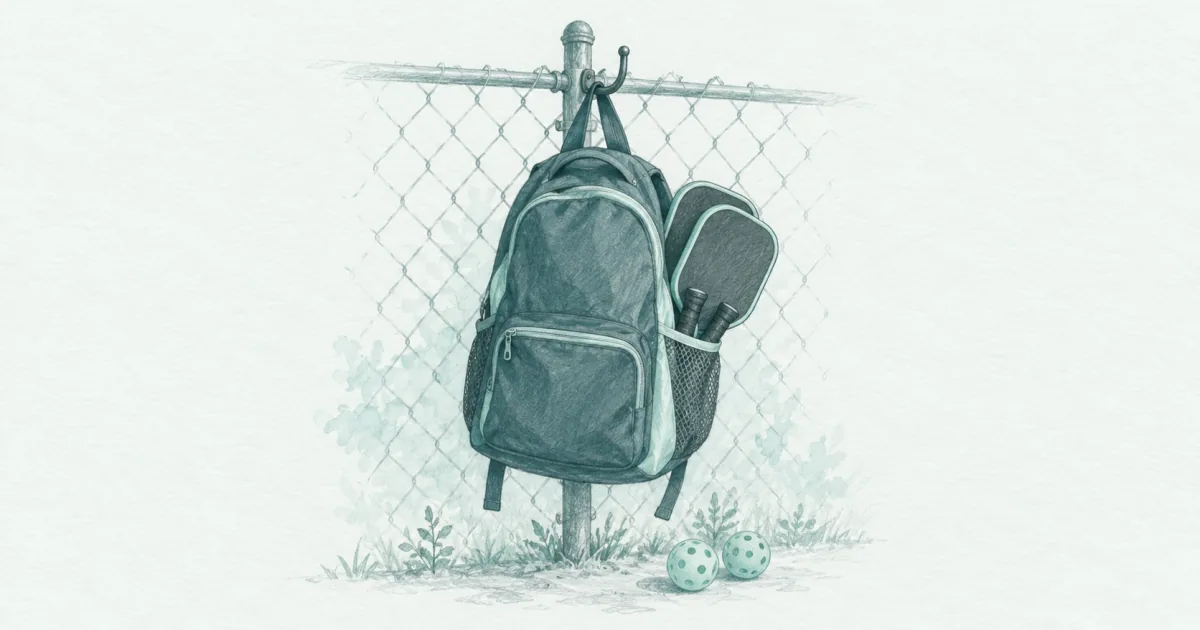
If you are shopping for the best pickleball bag, start with protection and layout, not pocket count. A purpose-built bag keeps paddle faces safe, isolates shoes, and gives you a fence hook so the pack is not sitting in puddles between games.
The pickleball bag section collects every related carry guide in one place. If you want a smaller or lighter colorway, the pickleball bag for women guide covers the styles that fit the same job, and if you want a darker palette, start with the men's bag guide.
This is the bags guide for everyday carry. For a backpack-only deep dive, see our best pickleball backpack guide. Pair your bag with durable outdoor balls from our outdoor balls guide.
What actually matters in a pickleball bag?
Shoe isolation, paddle protection, and a way to keep the bag off the ground matter more than the number of pockets. A bag with 11 pockets and no shoe vent lets the smell of court shoes soak into every grip.
Shoe isolation beats pocket count
Marketing loves pocket counts. You should care whether shoes stay separate from grips. Prefer padded or soft-lined compartments that fit elongated and widebody paddles. The shoe pocket should vent or wipe clean. A fence hook, bottle access, and a layout you can use between games matter more than a pretty zipper wall.
Paddle protection and the fence hook
Straps have to survive a walk from parking with two paddles and shoes. If you haul for a family or a teaching load, capacity matters. If you play once a week with one paddle, a huge pack just invites overpacking. A fence hook is the feature people use most on outdoor courts, because it keeps the pack off wet grass and damp benches.
How many paddles does a bag really hold?
The listed number is a maximum, not a guarantee. A bag advertised for four paddles often carries two or three once you use the bottom compartment for shoes, because the shoe garage takes the space the lower paddle slots need.
Shoes in the bottom cut the paddle count
The SDLINR is the clearest example. It is a 35L backpack with a dedicated paddle area and a ventilated shoe garage, and the bottom compartment is rated for shoes up to a men's size 16. In our testing it swallowed a men's 13.5 shoe without a fight. The catch is that once shoes take that space, the paddle count drops to 2 to 3 rather than four. Plan for the gear you actually carry, not the number in the description.
When you need maximum capacity
If you carry paddles for friends, teach beginners, or run tournament days, a bigger bag is worth the extra size. The Big Dill holds 8 or more paddles across soft-lined slots, which is a different job from a daily two-paddle pack. The trade is weight and size, because a full-capacity bag is heavy on the walk from the car.
Bag capacity compared
Volume and pocket count explain the difference between these three better than any marketing line. A 30L pack and an 18 inch by 14 inch by 10 inch pack are not the same bag, even when both are called large.
The sportsnew is the smallest of the three at 30L, the SDLINR is the everyday pack at 35L, and the Big Dill is roughly a third more volume than the 30L sportsnew. That gap is small on paper and large on the walk from the car when the Big Dill is full.
Price and capacity do not line up the way you might expect. The largest bag is not the priciest per liter, and the smallest one is. That is why the right question is how much gear you actually carry rather than what a pack costs.
Are brand-name bags worth the premium?
Sometimes. A brand name buys a specific shape, a specific colorway, and a warranty you can call. It does not buy more capacity per dollar, and the packs on this page cover the same jobs for less.
When is a brand name worth paying for?
When you want a particular look, a lighter colorway, or a company that stands behind a warranty. Some players want a bag that matches the rest of their kit, and that is a real thing to pay for.
What do Selkirk, CRBN, and ADV bags add?
Mostly shape and finish, plus brand-specific paddle storage. If you already carry a Selkirk or CRBN paddle, the matching bag is a styling choice rather than a capacity upgrade. Check the listed dimensions against your paddle length before you pay for a logo.
Do you need a different bag if you are a woman player?
No, the job is identical. What changes is the colorway and sometimes the strap shape. If you want a lighter color or a smaller silhouette, our pickleball bag for women guide covers those options without trading away the shoe compartment.
What about a designer bag?
A designer bag is a style purchase with a shoe compartment attached. Buy it if the look matters to you, but confirm the paddle compartment is padded and the shoe pocket vents, because style-led bags often trim those details.
Which pickleball bag should you buy?
Match the bag to how much gear has to move. The SDLINR is the everyday default, the sportsnew is the value waterproof pick, and the Big Dill is the capacity pick for a group.
SDLINR Large Pickleball Bag Backpack
The SDLINR Large Pickleball Bag Backpack is the default answer when someone asks for the best pickleball bag and wants one pack that covers open play, lessons, and after-work sessions. It has a padded, enclosed paddle area, a ventilated shoe compartment, and a fence hook that matters on outdoor courts. Elongated paddles should slide in without forcing the zipper.
sportsnew Waterproof Pickleball Bag
The sportsnew Waterproof Pickleball Bag is the pick when you want purpose-built features without paying for the biggest brand names. Soft-lined side paddle pockets, a ventilated shoe compartment, and a fence hook cover the same jobs as pricier packs, and the 30L body holds 11 pockets. It is a strong first dedicated pickleball bag for newer players who already know a tote is not enough.
Big Dill Pickleball Backpack
The Big Dill Pickleball Backpack is the big-capacity option. It holds 8 or more paddles across soft-lined slots, has a ventilated shoe pocket, a thermal-lined pocket for drinks, 4 bottle pockets, and 6 external plus 5 internal pockets. The 18 inch by 14 inch by 10 inch body is roughly a third more volume than the 30L sportsnew, and the pack weighs about 2.5 pounds empty. Skip it if you only need a light bag for two paddles and a water bottle.
What should you pack in a pickleball bag?
Pack by compartment, not by pile. Paddles go in the soft-lined area, shoes in the vented garage, and small items in zip pockets so a changeover is not a hunt.
That list explains why layout matters. A single cavernous gym bag turns every changeover into a hunt for grips and balls.
Which pockets do you actually use?
Between games you reach for three things: a bottle, a grip or towel, and a place to hang the bag. That is why fence hooks, external bottle pockets, and one quick-access pocket beat a wall of zips you never open.
Backpack vs tote vs wheeled bag
Backpacks are the best fit for most solo and duo players. They free your hands and protect paddles better than soft totes. Totes work for ultra-casual carry when you wear shoes to the court and only bring one paddle. Wheeled bags help when you haul for a program and parking is far, but they are overkill for typical open play.
If you are undecided between bag types, start with a dedicated backpack like the SDLINR Large Pickleball Bag Backpack. You can always add a slim pickleball tote bag later for guest paddles.
Common mistakes
Buying on pocket count alone creates heavy clutter. Skipping shoe ventilation creates odor that clings to grips. Using a bag too small for elongated paddles leads to bent edge guards. Storing damp shoes sealed in the car inside the pack all week is the fastest way to ruin the bag and the grips.
Who should choose something else
Choose a simple pickleball tote bag if you play once a month and wear court shoes to the facility. Choose a wheeled bag if you regularly transport gear for many players. Choose a slim day pack if you only carry one paddle and leave shoes at home. Everyone else should start with a dedicated pickleball backpack.
If you still need a first paddle before you upgrade the bag, start with our beginner paddle guide.
Care tips that extend bag life
Empty damp towels and shoes the same day. Open the main compartments overnight so moisture does not sit in foam padding. Wipe the shoe garage after muddy outdoor courts, and check zipper tracks for grit before forcing a pull. If you car-store the pack, keep it out of direct summer sun, because heat cooks adhesives and can warp cheaper plastic hardware.
Bottom line
The best pickleball bag is a padded pack with ventilated shoe storage, sane organization, and a fence hook for outdoor courts. Buy the SDLINR Large Pickleball Bag Backpack for weekly play, the sportsnew bag for value and wet courts, or the Big Dill when capacity matters most. Pack light enough that you still enjoy the walk to the court.
Frequently Asked Questions
What is the best pickleball bag for most players?
A dedicated paddle backpack with padded paddle storage, a ventilated shoe pocket, and a fence hook. The SDLINR Large Pickleball Bag Backpack fits that job for most weekly players.
Is a backpack better than a tote?
For weekly play with two paddles and shoes, yes. Totes are fine for casual once-a-week carry when you wear shoes to the court. Backpacks free your hands and usually protect paddles better.
How many paddles should a pickleball bag hold?
Two is the sweet spot for most adults. Four-paddle capacity helps families or teaching pros, but once you put shoes in the bottom compartment, a four-paddle bag often carries two or three paddles in practice.
What size pickleball bag do I need?
Match volume to gear. A 30L to 35L backpack carries two paddles, shoes, a bottle, and a change of clothes. Choose an 18 by 14 by 10 inch pack when you haul for a group or carry eight or more paddles.
Do I need a fence hook?
Highly useful outdoors. It keeps the bag off damp courts, wet grass, and dusty benches. Skip it only if you always keep gear in a clean indoor cubby.
Can I use a generic gym backpack?
You can, but paddles get beat up and shoes make everything smell. A purpose-built layout is worth it once you play regularly.
Which pickleball bag is best for elongated paddles?
Choose a bag with soft-lined, padded compartments and compare the listed dimensions against your paddle. The SDLINR Large Pickleball Bag Backpack holds multiple paddles, but long elongated shapes still need a fit check.
How do I clean a pickleball bag?
Empty damp towels and shoes the same day, open the main compartments overnight, and wipe the shoe garage after muddy courts. Check zipper tracks for grit before forcing a pull.