Pickleball Paddle Sweet Spot: Size, Shape, and How to Find Yours
Paddles
Sweet spot is the zone where contact feels solid and the ball goes where you aimed. Shape, thickness, and swing path all change how big that zone feels.
Our picks
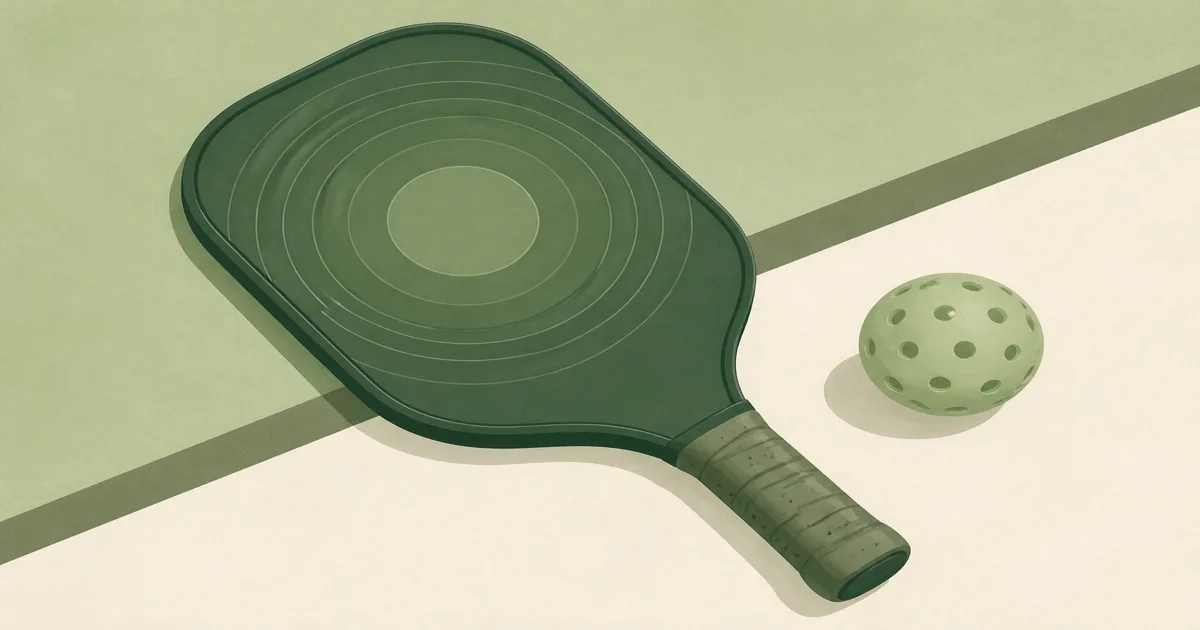
Every paddle ad mentions a huge sweet spot. In real play, the pickleball paddle sweet spot is the contact zone where the ball leaves the face without twisting your wrist or spraying wide. It is not a printed ring on the face. It is the zone where core compression and face stiffness help you meet the ball cleanly.
Sweet spot is one feel goal, and the best pickleball paddles pillar covers the forgiving shapes, while the pickleball paddle guide collection keeps the guides together.
This guide explains what sweet spot means in practice, how shape and thickness change it, how to find yours, and why mishits still happen on forgiving faces. Widebody and thicker cores usually give more margin. Elongated thin faces usually give less.
For thickness tradeoffs, read pickleball paddle thickness explained. For shape comparisons, see elongated vs widebody pickleball paddle.
What sweet spot actually means on court
Sweet spot describes the contact area where energy transfers efficiently into the ball. Hits feel quiet in your hand, with less shock and fewer wild angles. Miss slightly outside that zone and you get vibration, loss of pace, or unpredictable direction.
Paddle makers sometimes publish effective hitting area or balance point data. Most recreational shoppers never see those numbers. You feel sweet spot in feedback: a stable block, a dink that dies instead of popping, a drive that tracks straight without arm twist.
Sweet spot is not identical to geometric center. Many paddles play best slightly above center toward the upper third of the face. That matches natural contact in front of the body during kitchen exchanges.
How paddle shape changes margin
Widebody paddles spread mass across a broader face. The forgiving zone covers more horizontal area, which helps on fast hands battles and rushed blocks. If you frequently clip the edge of the face, widebody geometry buys margin.
Elongated paddles extend reach for volleys, overheads, and stretch dinks. The tradeoff is a narrower effective zone toward the tip. Contact far from the handle can feel powerful when centered but harsh when slightly off.
Hybrid shapes split the difference. They are popular because reach and forgiveness both matter in mixed-level open play. Your miss pattern should pick shape more than marketing photos.
Compare detailed shape notes in elongated vs widebody pickleball paddle once you know whether you need stretch or stability.
Thickness and core feel on mishits
Core thickness changes how much help you get off-center. Thick polymer cores around 16mm compress more and dampen mishits. Thin cores around 11 to 13mm feel lively on center contact but transmit more shock and angle error when you miss.
Thickness interacts with sweet spot size. A thick widebody is the classic forgiveness stack for beginners. A thin elongated face is the classic power stack for players who already find center often.
Face material fine-tunes feedback but rarely rewrites margin the way shape and thickness do. Do not chase a carbon label if your real problem is off-center blocks and you have never tried a thicker widebody.
How to find your sweet spot in practice
Start with slow dinks against a wall or with a patient partner. Intent: meet the ball two to three inches in front of your body with a quiet paddle face. Notice when vibration disappears. That feedback band is your current sweet spot on that paddle.
Move contact deliberately toward the toe, heel, and tip on separate reps. Feel how error grows. Do the same at the kitchen during warm-ups before scorekeeping starts. Most players discover they miss more toward the tip on elongated faces or toward the pinky side on wide blocks.
Footwork sets sweet spot access. If you arrive late and reach, you hit off-center even on a forgiving face. Shadow reps that put your body behind the ball do as much for sweet spot percentage as any paddle upgrade.
Mishits: why they still happen on big faces
A larger sweet spot reduces punishment. It does not eliminate mistakes. Late swings, poor spacing, and face angle errors still send balls long or into the net. Gear adds margin. Technique decides whether you use it.
Common mishit patterns: tipping the face open on soft dinks, contacting behind the body on drives, and stabbing volleys with a locked wrist. Each sends vibration even on premium paddles. Fix path first during solo wall reps, then reassess whether you still need more forgiveness.
Wind and outdoor balls also exaggerate off-center results. A mishit that stays in indoors may fly wide outside. Do not blame sweet spot size alone when conditions and contact both shift.
Choosing paddle specs for the sweet spot you need
Recreational players who fight inconsistency usually benefit from widebody shapes and mid to thick cores. Improving players with stable contact can experiment with elongated or thinner setups for put-away speed.
Demo when possible. Five minutes of dinks and drives reveals more about effective sweet spot than spec charts. If demo is unavailable, buy from listings with easy returns and test in your real open-play group.
Pair sweet spot goals with weight. A heavy paddle can feel stable on center hits but slow to reposition at the kitchen. A light paddle moves fast but demands cleaner contact. Balance matters alongside face size.
Common sweet spot myths and mistakes
Myth: sweet spot size is the only spec that matters. Reality: weight, grip size, and swing path all affect whether you reach the forgiving zone consistently.
Mistake: buying elongated for reach before contact is stable. You gain stretch but shrink margin at the exact moment you need forgiveness.
Mistake: assuming premium faces eliminate mishits. They may feel nicer on slight misses but do not rewrite physics.
Mistake: ignoring feedback. Constant vibration means contact is off or grip size is wrong. A new paddle alone will not fix a reach habit.
Mistake: comparing sweet spot talk across different sports. Pickleball face sizes and ball weight differ from tennis or racquetball. Use pickleball-specific guides when shopping.
When to upgrade for more margin vs more power
Upgrade toward larger effective sweet spot when blocks spray, dinks pop up, and you feel constant rim vibration on normal rallies. Upgrade toward thinner elongated faces when center contact is reliable and you want speed on drives without changing swing mechanics.
If you are unsure, mid thickness on a widebody or hybrid is the practical test paddle for most recreational arms. Read pickleball paddle thickness explained before you jump to extremes.
For more paddle shopping frameworks, visit Paddlefoundry or continue with how to choose a pickleball paddle to stack shape, thickness, and weight decisions together.
Sweet spot shopping
If mishits still flutter, start with a wide, friendly face like the JOOLA Ben Johns Hyperion Pro IV 16mm Pickleball Paddle. Elongated power shapes shrink the margin for error.
When you want more carbon feel without losing forgiveness, the Vatic Pro Prism Flash is a sensible next step. Demo on blocks and soft balls, not just pretty drives.
Frequently Asked Questions
Where is the sweet spot on a pickleball paddle?
It sits near the center of the face, slightly above the geometric middle for most shapes. Clean contact there feels stable with minimal vibration and predictable ball flight.
Do widebody paddles have a bigger sweet spot?
Generally yes. Wider faces spread the forgiving zone across more area, especially on blocks and volleys. Elongated faces stretch reach but shrink margin toward the tip and sides.
Does core thickness affect sweet spot feel?
Thicker cores often forgive off-center hits better because they absorb more impact. Thin cores can feel hotter on perfect center contact but punish mishits more harshly.
Can you train yourself to hit the sweet spot more often?
Yes. Slow dink reps, wall contact drills, and paying attention to vibration feedback build consistent contact point. Footwork that puts the ball in front of your body matters as much as paddle choice.
Is a larger sweet spot always better?
For most recreational players, more margin helps. Advanced players sometimes choose smaller effective zones on thin elongated faces to chase power once contact is already consistent.
How do I find the sweet spot on my paddle?
Start with slow dinks against a wall and meet the ball two to three inches in front of your body. Notice when vibration disappears, because that feedback band is your current sweet spot on that paddle.
What is the best paddle for a bigger sweet spot?
A widebody shape with a mid to thick core gives the most margin for inconsistent contact. The JOOLA Seneca 16mm is a forgiving 16mm polymer option for newer or comfort-first players.